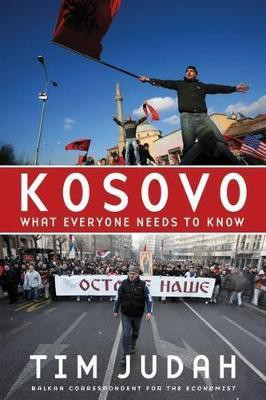
Kosovo(English, Paperback, Judah Tim)
- Judah Tim
Paperback & Hardcover deals ―
Amazon IndiaGOFlipkart ₹ 1106SnapdealGOSapnaOnlineGOJain Book AgencyGOBooks Wagon₹4,043Book ChorGOCrosswordGODC BooksGOe-book & Audiobook deals ―
Amazon India GOGoogle Play Books GOAudible GO* Price may vary from time to time.
* GO = We're not able to fetch the price (please check manually visiting the website).
Know about the book -
Kosovo(English, Paperback, Judah Tim) is written by Judah Tim and published by Oxford University Press Inc. It's available with International Standard Book Number or ISBN identification 0195373456 (ISBN 10) and 9780195373455 (ISBN 13).
On February 17, 2008, Kosovo declared its independence, becoming the seventh state to emerge from the break-up of the former Yugoslavia. A tiny country of just two million people, 90% of whom are ethnic Albanians, Kosovo is central - geographically, historically, and politically - to the future of the Western Balkans and, in turn, its potential future within the European Union. But the fate of both Kosovo, condemned by Serbian leaders as a "fake state" and the region as a whole, remains uncertain. In Kosovo: What Everyone Needs to Know, Tim Judah provides a straight-forward guide to the complicated place that is Kosovo. Judah, who has spent years covering the region, offers succinct, penetrating answers to a wide range of questions: Why is Kosovo important? Who are the Albanians? Who are the Serbs? Why is Kosovo so important to Serbs? What role does Kosovo play in the region and in the world? Judah reveals how things stand now and presents the history and geopolitical dynamics that have led to it. The most important of these is the question of the right to self-determination, invoked by the Kosovo Albanians, as opposed to right of territorial integrity invoked by the Serbs. For many Serbs, Kosovo's declaration of independence and subsequent recognition has been traumatic, a savage blow to national pride. Albanians, on the other hand, believe their independence rights an historical wrong: the Serbian conquest (Serbs say "liberation") of Kosovo in 1912. For anyone wishing to understand both the history and possible future of Kosovo at this pivotal moment in its history, this book offers a wealth of insight and information in a uniquely accessible format.
