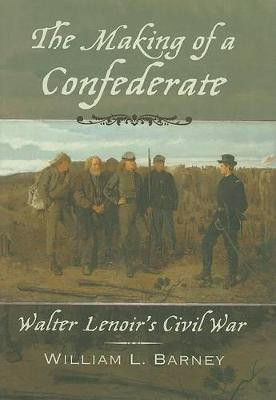
The Making of a Confederate(English, Hardcover, Barney William L.)
- Barney William L.
Paperback & Hardcover deals ―
Amazon IndiaGOFlipkart ₹ 3357SnapdealGOSapnaOnlineGOJain Book AgencyGOBooks Wagon₹511Book ChorGOCrosswordGODC BooksGOe-book & Audiobook deals ―
Amazon India GOGoogle Play Books GOAudible GO* Price may vary from time to time.
* GO = We're not able to fetch the price (please check manually visiting the website).
Know about the book -
The Making of a Confederate(English, Hardcover, Barney William L.) is written by Barney William L. and published by Oxford University Press Inc. It's available with International Standard Book Number or ISBN identification 0195314352 (ISBN 10) and 9780195314359 (ISBN 13).
For all the advances of the civil rights movement, and for all the cultural diversity attending economic prosperity, many white southerners have been unable to relinquish the Confederate past and the idea of a heroic, liberty-loving South crushed by power-hungry Yankees. The Making of a Confederate uses the life of one man--Walter Lenoir of North Carolina--to explore the origins of southern white identity and the myriad ambiguities and complexities embedded in that history.Lenoir's case is particularly fascinating in the way it complicates notions about the sources of rabid devotion to the Confederate cause. Although born into a wealthy slaveholding family, Lenoir acknowledged the institution's evils and intended to divest himself of his inherited slaves. Opposed to secession, he planned in 1860 to move to Minnesota in the free North. With the war's outbreak, however, everything changed. Lenoir joined the Confederate army and fervidly supported its cause to the end. His postwar career reveals how one Confederate coped with bereavement and a crushing sense of loss, as he refashioned his memory of what had caused the war and embraced the cult of the Lost Cause. And while some southerners sank into depression, sought accommodation with the victors, or opposed the new order through various means, Lenoir found a fresh purpose by withdrawing to his acreage in the North Carolina mountains to pursue his own vision of the South's future, one that called for greater self-sufficiency and a more efficient use of the land. For Walter Lenoir and many other Confederates, the war never really ended. In tracing this compelling story, William Barney offers new insight into the uses of memory and how individual choices transform abstract historical processes into concrete actions.
