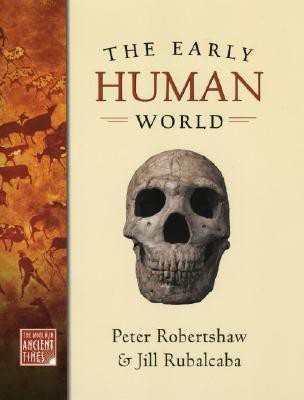
The Early Human World(English, Hardcover, Robertshaw)
- Robertshaw
Paperback & Hardcover deals ―
Amazon IndiaGOFlipkart ₹ 4446SnapdealGOSapnaOnlineGOJain Book AgencyGOBooks Wagon₹1,217Book ChorGOCrosswordGODC BooksGOe-book & Audiobook deals ―
Amazon India GOGoogle Play Books GOAudible GO* Price may vary from time to time.
* GO = We're not able to fetch the price (please check manually visiting the website).
Know about the book -
The Early Human World(English, Hardcover, Robertshaw) is written by Robertshaw and published by Oxford University Press Inc. It's available with International Standard Book Number or ISBN identification 0195161572 (ISBN 10) and 9780195161571 (ISBN 13).
A six-million-year-old jaw bone in Ethiopia proves to be a piece of the earliest hominid discovered-so far. Big Mama, who used a tree branch to escape from a zoo in Holland, is found sipping chocolate milk at a local restaurant. Nandy, a 50,000-year-old skeleton surrounded by flower pollen in Iraq, casts doubt on the beastly reputation of an early hominid. Found frozen in the Alps, OEtzi reveals what people in Europe ate 5,000 years ago. Ardipithecus ramiduskadabba, a chimpanzee, a Neandertal, and the Iceman are just some of the characters who make up The Early Human World.Peter Robertshaw and Jill Rubalcaba tell the story of early humanlife using an incredible variety of primary sources: 3.5-million-year-old footprints preserved by a volcano provide evidence of our ancestors' walking on two legs. Stone flakes fashioned 2 million years ago prove early hominids used tools. Bears, lions, and rhinoceroses painted in a cave 30,000 years ago reveal our ancestors' artistic side. An 8,500-year-old dog grave shows the extraordinarily long history of man's best friend. This evidence helps archaeologists decipher not just how we came tobe the Homo sapiens we are today, but also what life may have been like for our earliest ancestors. The first Australians encountered freakishly gigantic beasts: kangaroos as big as houses andtortoises the size of cars. The Sahara Desert was once a fertile land, supporting herds of cattle, sheep, and goats. The Early Human World takes readers to sites around the world as archaeologists piece together the clues to our past.
