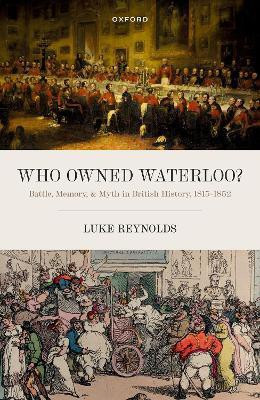
Who Owned Waterloo?(English, Hardcover, Reynolds Luke)
- Reynolds Luke
Paperback & Hardcover deals ―
Amazon IndiaGOFlipkart ₹ 11426SnapdealGOSapnaOnlineGOJain Book AgencyGOBooks Wagon₹3,330Book ChorGOCrosswordGODC BooksGOe-book & Audiobook deals ―
Amazon India GOGoogle Play Books GOAudible GO* Price may vary from time to time.
* GO = We're not able to fetch the price (please check manually visiting the website).
Know about the book -
Who Owned Waterloo?(English, Hardcover, Reynolds Luke) is written by Reynolds Luke and published by Oxford University Press. It's available with International Standard Book Number or ISBN identification 0192864998 (ISBN 10) and 9780192864994 (ISBN 13).
Between 1815 and the Duke of Wellington's death in 1852, the Battle of Waterloo became much more than simply a military victory. While other countries marked the battle and its anniversary, only Britain actively incorporated the victory into their national identity, guaranteeing that it would become a ubiquitous and multi-layered presence in British culture. By examining various forms of commemoration, celebration, and recreation, Who Owned Waterloo? demonstrates that Waterloo's significance to Britain's national psyche resulted in a different kind of war altogether: one in which civilian and military groups fought over and established their own claims on different aspects of the battle and its remembrance. By weaponizing everything from memoirs, monuments, rituals, and relics to hippodramas, panoramas, and even shades of blue, veterans pushed back against civilian claims of ownership; English, Scottish, and Irish interests staked their claims; and conservatives and radicals duelled over the direction of the country. Even as ownership was contested among certain groups, large portions of the British population purchased souvenirs, flocked to spectacles and exhibitions, visited the battlefield itself, and engaged in a startling variety of forms of performative patriotism, guaranteeing not only the further nationalization of Waterloo, but its permanent place in nineteenth century British popular and consumer culture.
