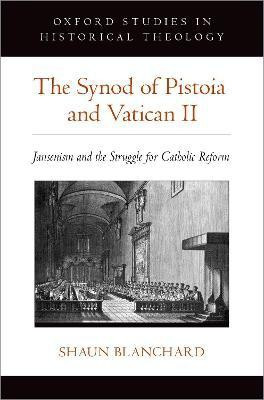
The Synod of Pistoia and Vatican II(English, Hardcover, Blanchard Shaun)
- Blanchard Shaun
Paperback & Hardcover deals ―
Amazon IndiaGOFlipkart ₹ 16828SnapdealGOSapnaOnlineGOJain Book AgencyGOBooks Wagon₹196Book ChorGOCrosswordGODC BooksGOe-book & Audiobook deals ―
Amazon India GOGoogle Play Books GOAudible GO* Price may vary from time to time.
* GO = We're not able to fetch the price (please check manually visiting the website).
Know about the book -
The Synod of Pistoia and Vatican II(English, Hardcover, Blanchard Shaun) is written by Blanchard Shaun and published by Oxford University Press Inc. It's available with International Standard Book Number or ISBN identification 0190947799 (ISBN 10) and 9780190947798 (ISBN 13).
In this book, Shaun Blanchard argues that the roots of the Vatican II reforms must be pushed back beyond the widely acknowledged twentieth-century forerunners of the Council, beyond Newman and the Tuebingen School in the nineteenth century, to the eighteenth century, when a variety of reform movements attempted ressourcement and aggiornamento. This close study of the Synod of Pistoia (1786) sheds surprising new light on the nature of church reform and the roots of the Second Vatican Council (1962-65). The high-water mark of the late Jansenist reform movement, this Tuscan diocesan synod was harshly condemned by Pope Pius VI in the Bull Auctorem fidei (1794), and in the increasingly ultramontane nineteenth-century Church the late Jansenist movement was totally discredited. Nevertheless, much of the Pistoian agenda--an exaltation of the role of the local bishop, an emphasis on infallibility as a gift to the entire believing community, religious liberty, a more comprehensible liturgy that incorporates the vernacular, and the encouragement of lay Bible reading and Christocentric devotions--would be officially promulgated at Vatican II.Investigating the theological and historical context and nature of the reforms enacted by the Synod of Pistoia, he notes their parallels with the reforms of Vatican II, and argues that these connections are deeper than mere affinity. The tumultuous events surrounding the reception of the Synod explain why these reforms failed at the time. This book also offers a measured theological judgment on whether the Synod of Pistoia was "true or false reform." Although the Pistoians were completely rejected in their own day, the Second Vatican Council struggled with, and ultimately enacted, remarkably similar ideas.
