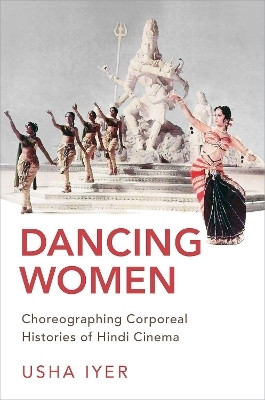
Dancing Women(English, Hardcover, Iyer Usha)
- Iyer Usha
Paperback & Hardcover deals ―
Amazon IndiaGOFlipkart ₹ 3600SnapdealGOSapnaOnlineGOJain Book AgencyGOBooks Wagon₹433Book ChorGOCrosswordGODC BooksGOe-book & Audiobook deals ―
Amazon India GOGoogle Play Books GOAudible GO* Price may vary from time to time.
* GO = We're not able to fetch the price (please check manually visiting the website).
Know about the book -
Dancing Women(English, Hardcover, Iyer Usha) is written by Iyer Usha and published by Oxford University Press Inc. It's available with International Standard Book Number or ISBN identification 0190938730 (ISBN 10) and 9780190938734 (ISBN 13).
Dancing Women: Choreographing Corporeal Histories of Hindi Cinema, an ambitious study of two of South Asia's most popular cultural forms - cinema and dance - historicizes and theorizes the material and cultural production of film dance, a staple attraction of popular Hindi cinema. It explores how the dynamic figurations of the body wrought by cinematic dance forms from the 1930s to the 1990s produce unique constructions of gender, sexuality, stardom, and spectacle. By charting discursive shifts through figurations of dancer-actresses, their publicly performed movements, private training, and the cinematic and extra-diegetic narratives woven around their dancing bodies, the book considers the "women's question" via new mobilities corpo-realized by dancing women. Some of the central figures animating this corporeal history are Azurie, Sadhona Bose, Vyjayanthimala, Helen, Waheeda Rehman, Madhuri Dixit, and Saroj Khan, whose performance histories fold and intersect with those of other dancing women, including devadasis and tawaifs, Eurasian actresses, oriental dancers, vamps, choreographers, and backup dancers. Through a material history of the labor of producing on-screen dance, theoretical frameworks that emphasize collaboration, such as the "choreomusicking body" and "dance musicalization," aesthetic approaches to embodiment drawing on treatises like the Natya Sastra and the Abhinaya Darpana, and formal analyses of cine-choreographic "techno-spectacles," Dancing Women offers a variegated, textured history of cinema, dance, and music. Tracing the gestural genealogies of film dance produces a very different narrative of Bombay cinema, and indeed of South Asian cultural modernities, by way of a corporeal history co-choreographed by a network of remarkable dancing women.
