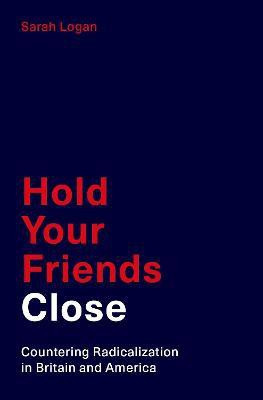
Hold Your Friends Close(English, Hardcover, Logan Sarah)
- Logan Sarah
Paperback & Hardcover deals ―
Amazon IndiaGOFlipkart ₹ 11091SnapdealGOSapnaOnlineGOJain Book AgencyGOBooks Wagon₹551Book ChorGOCrosswordGODC BooksGOe-book & Audiobook deals ―
Amazon India GOGoogle Play Books GOAudible GO* Price may vary from time to time.
* GO = We're not able to fetch the price (please check manually visiting the website).
Know about the book -
Hold Your Friends Close(English, Hardcover, Logan Sarah) is written by Logan Sarah and published by Oxford University Press Inc. It's available with International Standard Book Number or ISBN identification 0190920327 (ISBN 10) and 9780190920326 (ISBN 13).
When we think of counterterrorism we often think of coercive measures, including expanded policing powers, extraordinary rendition, increased jail sentences, and no-fly lists. Yet, several countries also use surprisingly "soft" methods to deal with the rising problem of homegrown extremism--from debate training and sports competitions to citizenship education and information campaigns. Given the violent aims of homegrown extremists, why do states opt for this softer approach? In Hold Your Friends Close, Sarah Logan provides the first exploration of counter-radicalization policy and homegrown extremism through a theoretical and historical lens. Logan contends that unlike traditional counterterrorism, counter-radicalization is generally informed by ideals of citizenship and allegiance to the state as a panacea for the violence of homegrown extremism. Because the radicals these policies target are not loyal to their own state, but rather to the idea of a non-state based political or religious community, winning them back to their "home" state is the primary aim of counter-radicalization efforts. While there are some basic similarities in approach across countries, there are important divergences too. Logan argues that this stems from different ideas about the nature of citizenship and national belonging. To that end, Logan compares the different approaches of the UK and US, showing how they differ in important ways despite a basic focus on solidifying the target subject's allegiance to their home state. Providing the first detailed policy history of counter-radicalization in the US and the UK, as well as a comprehensive overview of counter-radicalization policies globally, Hold Your Friends Close is an essential read for scholars and policymakers who work on terrorism and its sources.
