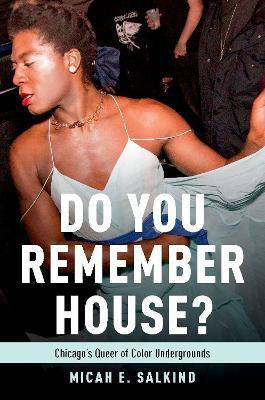
Do You Remember House?(English, Hardcover, Salkind Micah)
- Salkind Micah
Paperback & Hardcover deals ―
Amazon IndiaGOFlipkart ₹ 3053SnapdealGOSapnaOnlineGOJain Book AgencyGOBooks Wagon₹1,234Book ChorGOCrosswordGODC BooksGOe-book & Audiobook deals ―
Amazon India GOGoogle Play Books GOAudible GO* Price may vary from time to time.
* GO = We're not able to fetch the price (please check manually visiting the website).
Know about the book -
Do You Remember House?(English, Hardcover, Salkind Micah) is written by Salkind Micah and published by Oxford University Press Inc. It's available with International Standard Book Number or ISBN identification 0190698411 (ISBN 10) and 9780190698416 (ISBN 13).
Today, no matter where you are in the world, you can turn on a radio and hear the echoes and influences of Chicago house music. Do You Remember House? tells a comprehensive story of the emergence, and contemporary memorialization of house in Chicago, tracing the development of Chicago house music culture from its beginnings in the late '70s to the present. Based on expansive research in archives and his extensive conversations with the makers of house in Chicago's parks, clubs, museums, and dance studios, author Micah Salkind argues that the remediation and adaptation of house music by crossover communities in its first decade shaped the ways that Chicago producers, DJs, dancers, and promoters today re-remember and mobilize the genre as an archive of collectivity and congregation.The book's engagement with musical, kinesthetic, and visual aspects of house music culture builds from a tradition of queer of color critique. As such, Do You Remember House? considers house music's liberatory potential in terms of its genre-defiant repertoire in motion. Ultimately, the book argues that even as house music culture has been appropriated and exploited, the music's porosity and flexibility have allowed it to remain what pioneering Chicago DJ Craig Cannon calls a 'musical Stonewall' for queers and people of color in the Windy City and around the world.
