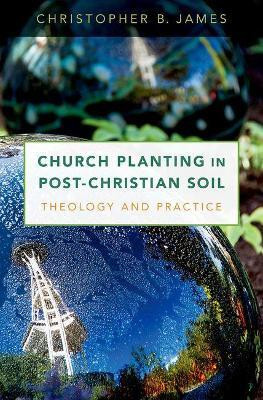
Church Planting in Post-Christian Soil(English, Hardcover, James Christopher)
- James Christopher
Paperback & Hardcover deals ―
Amazon IndiaGOFlipkart ₹ 6548SnapdealGOSapnaOnlineGOJain Book AgencyGOBooks Wagon₹679Book ChorGOCrosswordGODC BooksGOe-book & Audiobook deals ―
Amazon India GOGoogle Play Books GOAudible GO* Price may vary from time to time.
* GO = We're not able to fetch the price (please check manually visiting the website).
Know about the book -
Church Planting in Post-Christian Soil(English, Hardcover, James Christopher) is written by James Christopher and published by Oxford University Press Inc. It's available with International Standard Book Number or ISBN identification 0190673648 (ISBN 10) and 9780190673642 (ISBN 13).
National headlines regularly herald the decline of Christianity in the United States, citing historically low levels of confidence in organized religion, drops in church attendance, church closures, and the dramatic rise of the "Nones." Scarcely heard are stories from the thousands of new churches and new forms of church that are springing up each year across the country. In this book, Christopher James attends carefully to stories of ecclesial innovation taking place in Seattle, Washington--a city on the leading edge of trends shaping the nation as a whole. James's study of the new churches founded in 'post-Christian' Seattle offers both pragmatic advice and theological reflection. After an in-depth survey- and -interview-based analysis of the different models of church-building he identifies, James identifies five threads of practical wisdom: 1) embracing local identity and mission, 2) cultivating embodied, experiential, everyday spirituality, 3) engaging community life as means of witness and formation, 4) prioritizing hospitality as a cornerstone practice, and 5) discovering ecclesial vitality in a diverse ecclesial ecology. Stimulating, encouraging, and stereotype-shattering, this book invites readers to reconsider the narrative that portrays these first decades of the twenty-first century as a time of ecclesial death and decline, and to view this instead as a hope-filled season of ecclesial renewal and rebirth.
